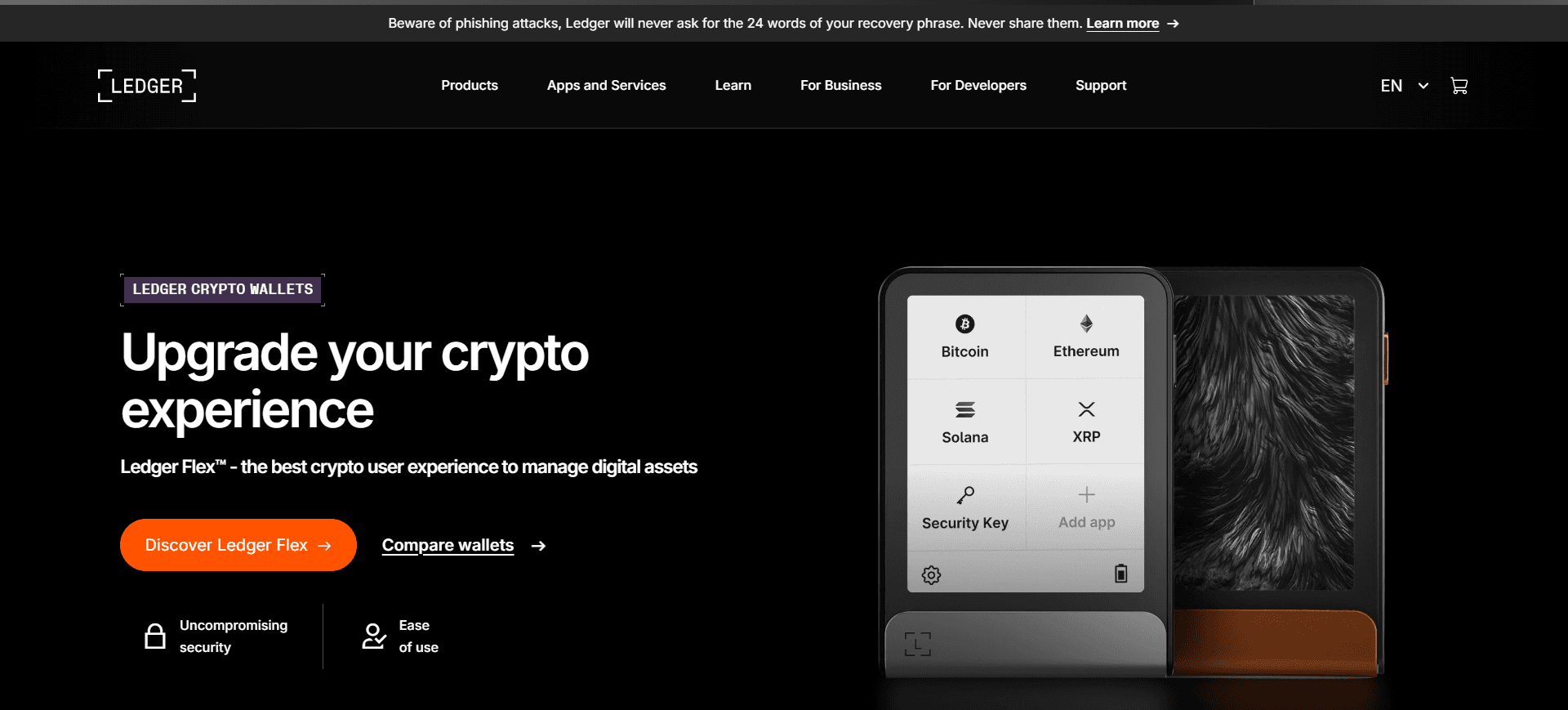
Ledger.com/start – Official Entry Point for Ledger Wallet Setup
Securing digital assets is one of the most important responsibilities for anyone involved in cryptocurrency. As cybercrime, phishing attempts, and exchange vulnerabilities continue to rise, many users are turning to hardware wallets for long-term protection. Ledger is one of the most trusted names in this space, and the correct way to begin using a Ledger device is through Ledger.com/start.
This page serves as Ledger’s official starting point, guiding users through installation, configuration, and essential security steps to ensure complete control over their crypto assets.
What Is Ledger.com/start Used For?
Ledger.com/start is the official setup portal created by Ledger to help users safely initialize their hardware wallets. It provides verified downloads, step-by-step instructions, and device checks to prevent counterfeit setups or malicious interference.
The page supports Ledger hardware wallets including:
Ledger Nano X
Ledger Nano S Plus
Using this official source ensures that your wallet is genuine and that your private keys are generated securely within the device.
Why Ledger Hardware Wallets Are Trusted
Unlike software wallets that remain connected to the internet, Ledger hardware wallets store private keys offline. This significantly reduces exposure to hacking attempts, malware, and unauthorized access.
Key reasons users choose Ledger include:
Offline generation and storage of private keys
Advanced Secure Element chip technology
Manual confirmation of every transaction
Compatibility with desktop and mobile devices
Support for thousands of cryptocurrencies
By beginning at Ledger.com/start, these security features are activated the correct way from the very beginning.
How to Get Started with Ledger.com/start
Step 1: Visit the Official Start Page
Open your browser and manually enter Ledger.com/start. Avoid clicking links from emails or ads, as phishing websites often mimic Ledger’s design.
Step 2: Download Ledger Live
Ledger Live is the official software used to manage your Ledger wallet. It allows users to:
Install blockchain applications
Add and manage crypto accounts
Send and receive digital assets
View balances and transaction history
Ledger Live is available on Windows, macOS, Linux, Android, and iOS.
Step 3: Connect Your Ledger Device
Use the original USB cable provided in the box to connect your Ledger device to your computer or smartphone. Ensure the device packaging was sealed before opening.
Step 4: Initialize a New Wallet
On the Ledger device screen, select “Set up as new device.” This step creates brand-new private keys directly inside the device, ensuring no one else has access.
Step 5: Create a PIN Code
You will be asked to choose a PIN code. This PIN protects your device if it is lost or stolen.
PIN best practices:
Avoid predictable numbers
Do not reuse other PINs
Never share it with anyone
After multiple incorrect attempts, the device automatically resets for safety.
Step 6: Secure the Recovery Phrase
Your Ledger will generate a 24-word recovery phrase, which acts as the master backup for your wallet.
Critical safety rules:
Write the phrase down on paper only
Store it in a secure, offline location
Never photograph or digitize it
Never share it with anyone
If your Ledger device is damaged or lost, this phrase is the only way to recover your assets.
Step 7: Confirm the Recovery Phrase
To complete setup, the device will ask you to verify the recovery phrase by selecting the words in the correct order. This confirms that your backup is accurate.
Adding Cryptocurrency Accounts
After completing setup, users can install apps for specific cryptocurrencies through Ledger Live. Ledger supports a wide range of assets, including:
Bitcoin (BTC)
Ethereum (ETH)
XRP
Solana (SOL)
Cardano (ADA)
Thousands of tokens across multiple blockchains
Each asset requires its own app, ensuring secure transaction signing on the device.
Sending and Receiving Crypto with Ledger
To receive crypto, Ledger Live generates a wallet address that must be verified directly on the Ledger device screen. This protects against address-replacement malware.
To send crypto, every transaction must be manually approved using the physical buttons on the Ledger device. This ensures no transaction can occur without your knowledge.
Common Errors to Avoid
Many crypto losses happen due to simple mistakes. Avoid the following:
Downloading Ledger Live from unofficial websites
Entering your recovery phrase online
Sharing recovery phrases with anyone claiming to be support
Using second-hand or pre-configured devices
Ledger will never ask for your recovery phrase, under any circumstances.
Maintaining Wallet Security Over Time
Security doesn’t end after setup. To keep your assets safe:
Keep Ledger Live updated
Install firmware updates when available
Use a trusted computer or smartphone
Store recovery phrases in fireproof or metal backups
Practicing good security habits ensures long-term protection of your digital assets.
Final Summary
Ledger.com/start is the only recommended and official way to set up a Ledger hardware wallet. By following the guided process carefully, users gain full ownership of their private keys while minimizing exposure to online threats.
Whether you’re holding crypto long-term or actively managing a portfolio, starting at Ledger.com/start provides a secure foundation for managing digital assets with confidence.